30 Sep 2026
Decoding Soundscapes and Visual Triggers That Guide Session Lengths in Browser Reel Platforms
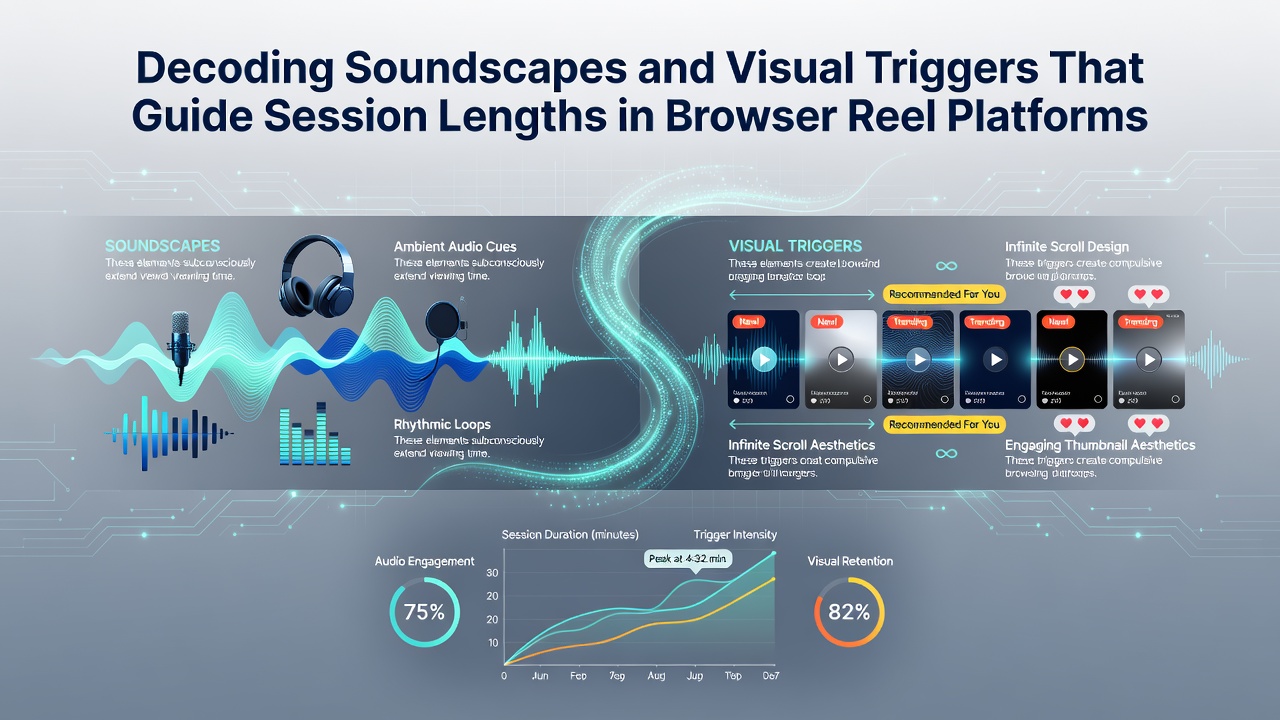
Browser reel platforms rely on layered audio designs and synchronized visual cues to shape how long individual sessions last, with researchers tracking these elements across multiple markets since early platform expansions in the 2010s. Soundscapes combine background tracks, win chimes, and escalating effects that align with reel spins, while visual triggers include flashing sequences, symbol animations, and color shifts that mark progress toward potential outcomes. Data from platform analytics show these components interact with variable reward schedules to extend engagement periods, as players encounter repeated auditory and visual feedback loops during extended play.
Audio Design Patterns in Reel Interfaces
Sound engineers construct layered audio environments where low-frequency tones build during base gameplay and shift to higher pitches during bonus rounds, creating a progression that many users associate with continued participation. Studies conducted by academic teams in Australia indicate that win-associated melodies lasting between two and four seconds correlate with increased spin counts per session, particularly when those sounds overlap with visual particle effects on the screen. In September 2026, aggregated reports from browser-based operators noted a measurable uptick in average session duration following updates that refined these audio transitions, with figures revealing extensions of eight to twelve minutes on average across sampled user groups.
Ambient tracks often loop at tempos between 100 and 120 beats per minute, matching typical human resting heart rates and thereby reducing perceived fatigue during repeated spins. Observers note that sudden volume increases during near-miss events prompt quicker re-engagement, since the auditory spike draws attention back to the reels without requiring external prompts. Research teams at institutions such as the Australian Gambling Research Centre have documented how these patterns maintain attention across longer intervals, especially when combined with subtle reverb effects that simulate physical casino acoustics in digital environments.
Visual Cues and Their Timing Mechanisms
Reel animations employ staggered reveal sequences where symbols land with slight delays, allowing the eye to track each position and register incremental changes. Color saturation increases during winning combinations, shifting from neutral palettes to warmer tones that heighten visual contrast and reinforce the completed outcome. Platform logs indicate that sessions incorporating frequent near-miss visuals, defined as two matching symbols stopping adjacent to a third, tend to sustain activity for additional rounds, as the partial alignment prompts further spins to resolve the pattern.
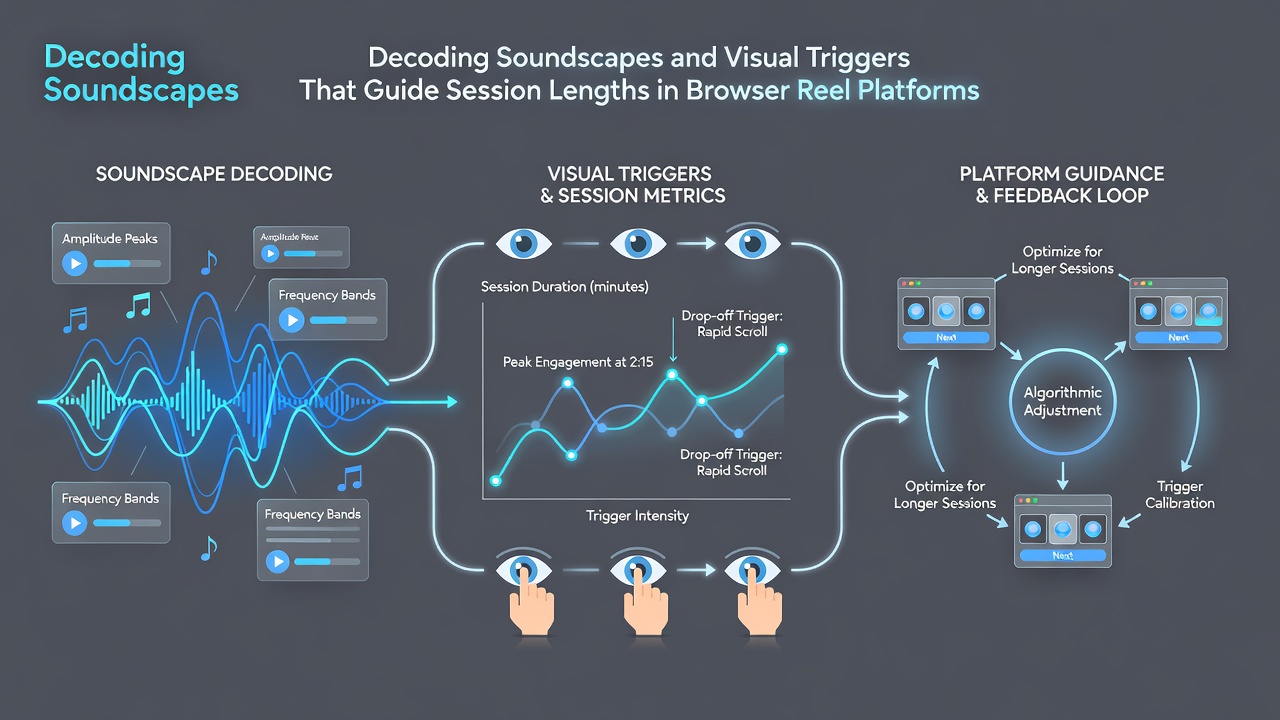
Particle systems and light bursts accompany special symbols, with duration calibrated to last between one and three seconds to avoid interrupting the next spin cycle. Those who study user behavior patterns report that progressive jackpot meters, which display accumulating values through incremental digit changes, draw sustained visual focus and correlate with extended play windows when paired with ascending audio tones. Regulatory data compiled in Canadian provincial reviews highlight how these visual escalations operate within defined technical parameters, ensuring consistent presentation across different browser configurations and device types.
Interaction Between Sound and Visual Elements
Combined audio-visual events occur at predetermined intervals, such as during free spin activations or multiplier reveals, where synchronized effects create compound reinforcement that encourages continuation. Session tracking across European operators shows that platforms adjusting these synchronized moments to occur every 15 to 20 spins maintain steadier engagement curves compared to irregular spacing. Experts analyzing browser telemetry note that mismatched timing between sound peaks and visual flashes can reduce overall session length, since the lack of coordination diminishes the cumulative impact on user attention.
Platform developers incorporate adaptive systems that modulate effect intensity based on elapsed time, softening certain visual flashes after 30 minutes while maintaining core audio loops. This approach appears in documentation from multiple providers and aligns with observed patterns where users extend sessions when environmental changes remain gradual rather than abrupt. Data collected through university-led monitoring projects confirm that these adjustments influence retention metrics without altering underlying game mathematics or payout structures.
Measurement of Session Outcomes Across Regions
Analytics platforms record session lengths through timestamped spin logs, with regional comparisons revealing variations tied to local regulatory frameworks on interface design. In markets where audio-visual intensity receives oversight, average durations stabilize within narrower ranges, whereas less regulated environments show wider fluctuations. September 2026 updates from industry monitoring groups indicated that browser platforms implementing standardized trigger frequencies reported more predictable session data across user cohorts in North America and parts of Asia.
Cross-referenced studies from institutions examining digital entertainment mechanics continue to map how specific cue combinations affect continuation rates, providing operators with measurable benchmarks for interface refinements. These findings integrate with broader platform performance reports without introducing changes to core reel mechanics or probability tables.
Conclusion
Soundscapes and visual triggers in browser reel platforms function through coordinated timing and reinforcement schedules that shape documented session lengths, with data from multiple regulatory and academic sources confirming their measurable influence on user activity patterns. Ongoing refinements in September 2026 and beyond reflect continued attention to these elements across global markets, supported by telemetry analysis and regional compliance records.